Frosty B&W January Morning
On a cold January morning, I headed out with my camera to capture the thin layer of frost that had silently covered everything overnight.
To match the mood of the morning, I chose the Contax Zeiss 28mm f/2.8 and shot in black and white—a trusted combination that has given me great results in the past.
The white layer of frost gave an incredible sharpness and texture to all the plants around me.
For the first shot, I focused on a frozen teasel plant. The three seed heads created an interesting composition, and I chose to focus on the central one, as It provided a strong visual anchor for the frame.
For the background, I tried to keep a lighter field in the center of the image while including the darker tree line at the top to add contrast and depth to the scene.
The subject itself isn’t particularly unique, and the small flower at the bottom of the frame is slightly distracting as it overlaps with the stem of the main plant. Still, I think the image works well in conveying the frostiness of the morning and the quiet winter atmosphere.
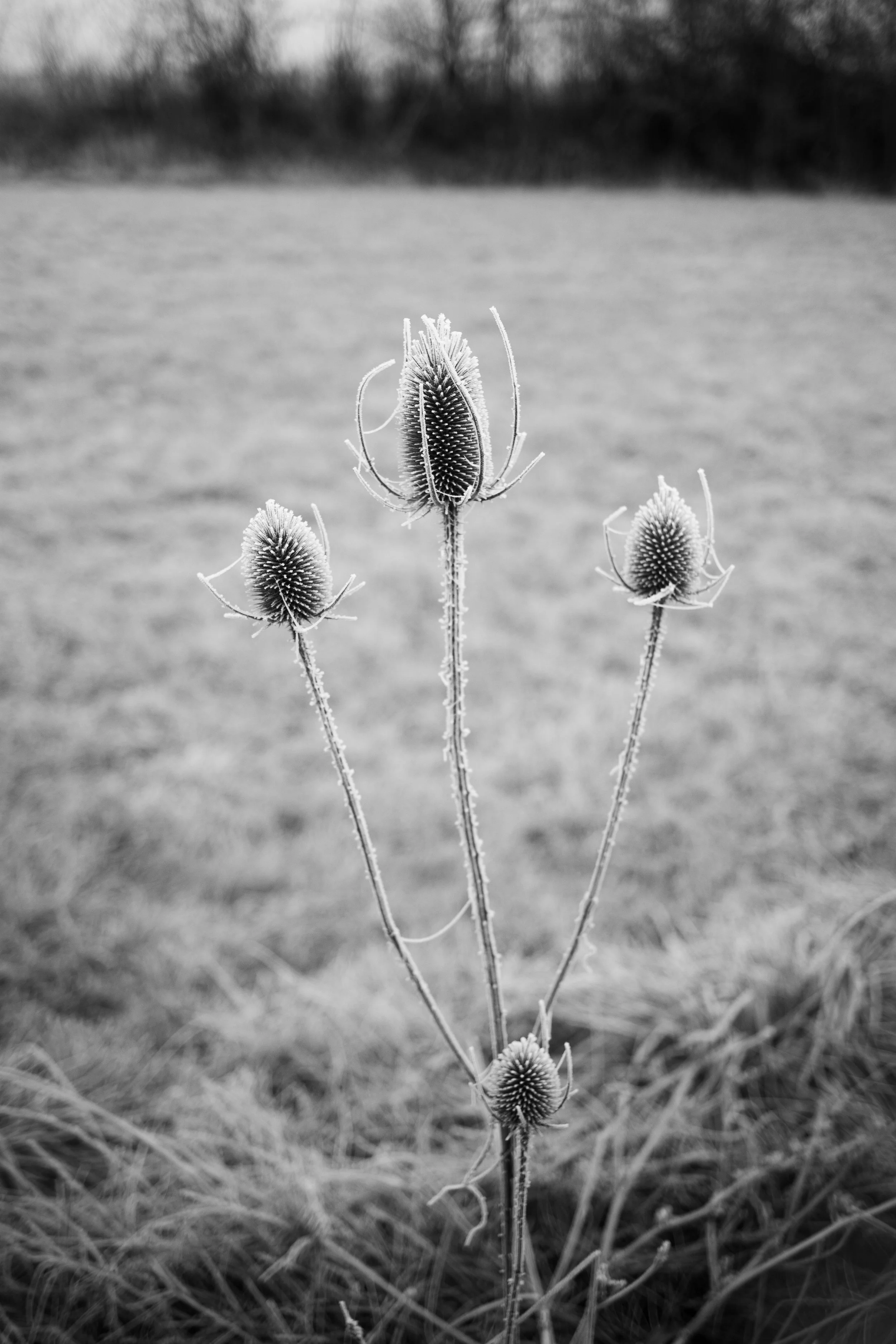
Frosted Teasel, 1/200, ISO 100
Just a few steps away, I noticed a cluster of taller grass stems, all bent in the same direction. The soft, curved lines created a pleasing pattern, and the dark tree in the background added a strong contextual element to the frame.
While I was shooting, I really liked this scene, but after coming home and reviewing the images more closely, I realized this frame was slightly out of focus. I most likely shot it wide open at f/2.8 to maximize subject separation, but in hindsight I should have stopped down a bit to ensure better focus.
It’s not the end of the world, but having the grass sharply in focus would definitely have helped the subject stand out more.
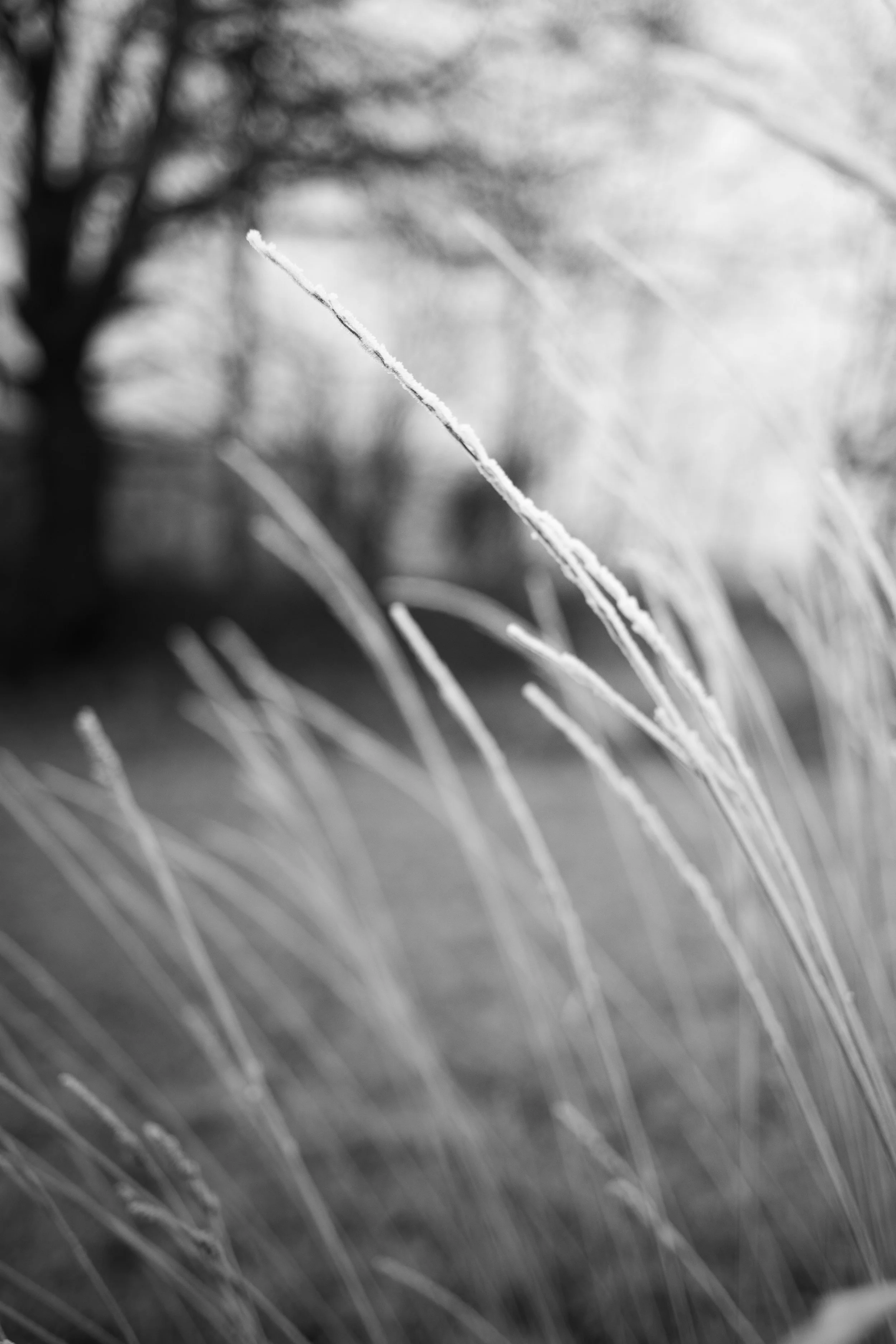
Wild Grass, 1/200, ISO 100
As I kept walking, I came across an entire field of teasels.
At first, it wasn’t easy to find a compelling composition in such a crowded scene, but after some time walking between the plants I managed to single out a few taller stems that stood out from the rest.
I placed the taller plants in the foreground on the left and balanced them with another prominent plant on the right. In this way, the rest of the field gently fell out of focus, creating a natural separation between subject and background.
The distant hills on the horizon, the silhouette of the trees on the left, and the bright winter sky added context and help frame the scene, giving a sense of place beyond the foreground details.
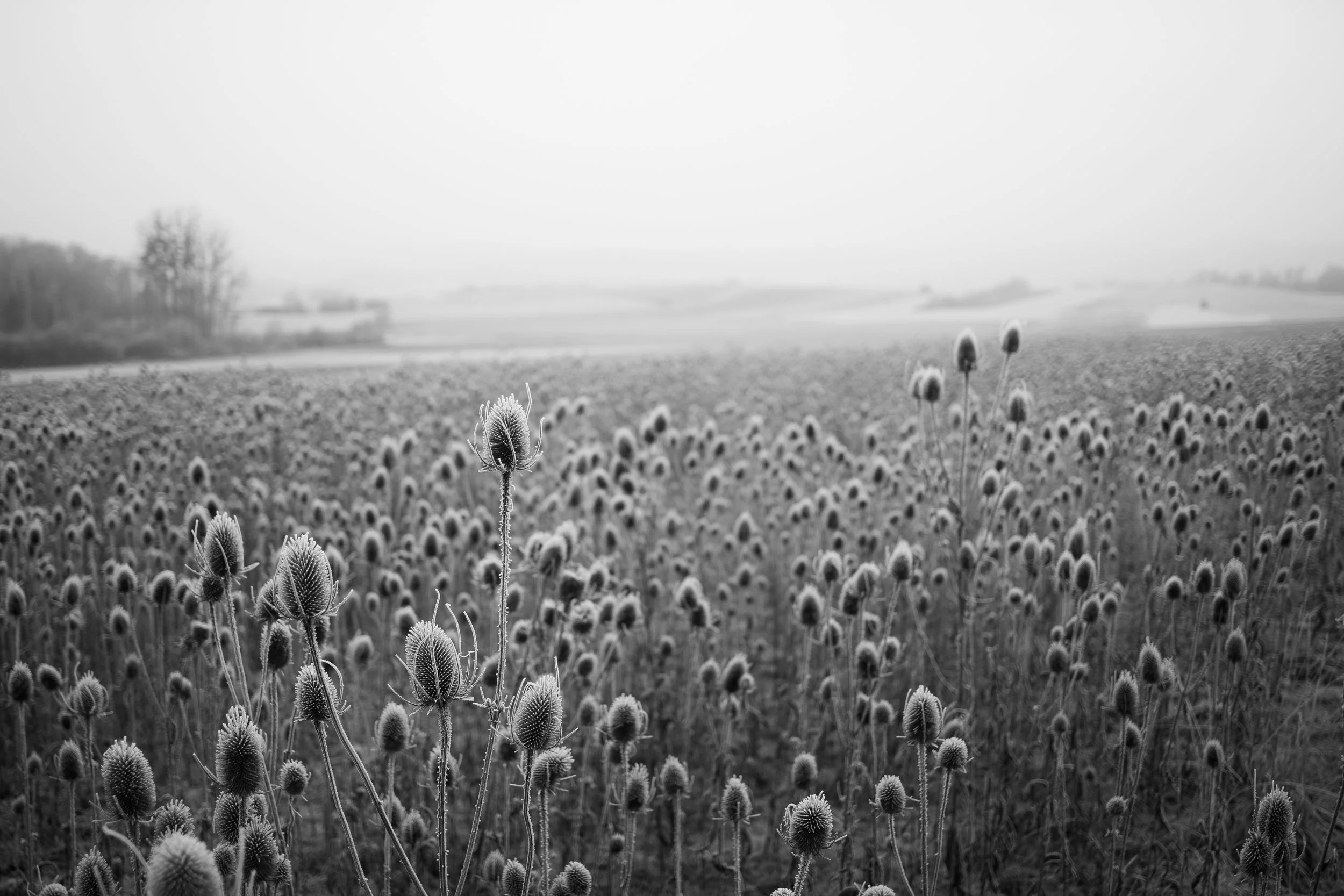
Teasel Field, 1/250, ISO 100
After taking a wider shot, I looked down and spotted a smaller teasel framed by two taller ones. I positioned the subject in the lower third of the frame and made sure the taller plants on both sides were included to create a natural frame.
I shot this wide open to maximize subject separation and emphasize the depth of the field. The taller, brighter out-of-focus flowers in the foreground tend to draw the eye away from the main subject, which should be the smaller teasel in the center. The framing works well but this image lacks a bit of contrast and the main subject is a bit weak.
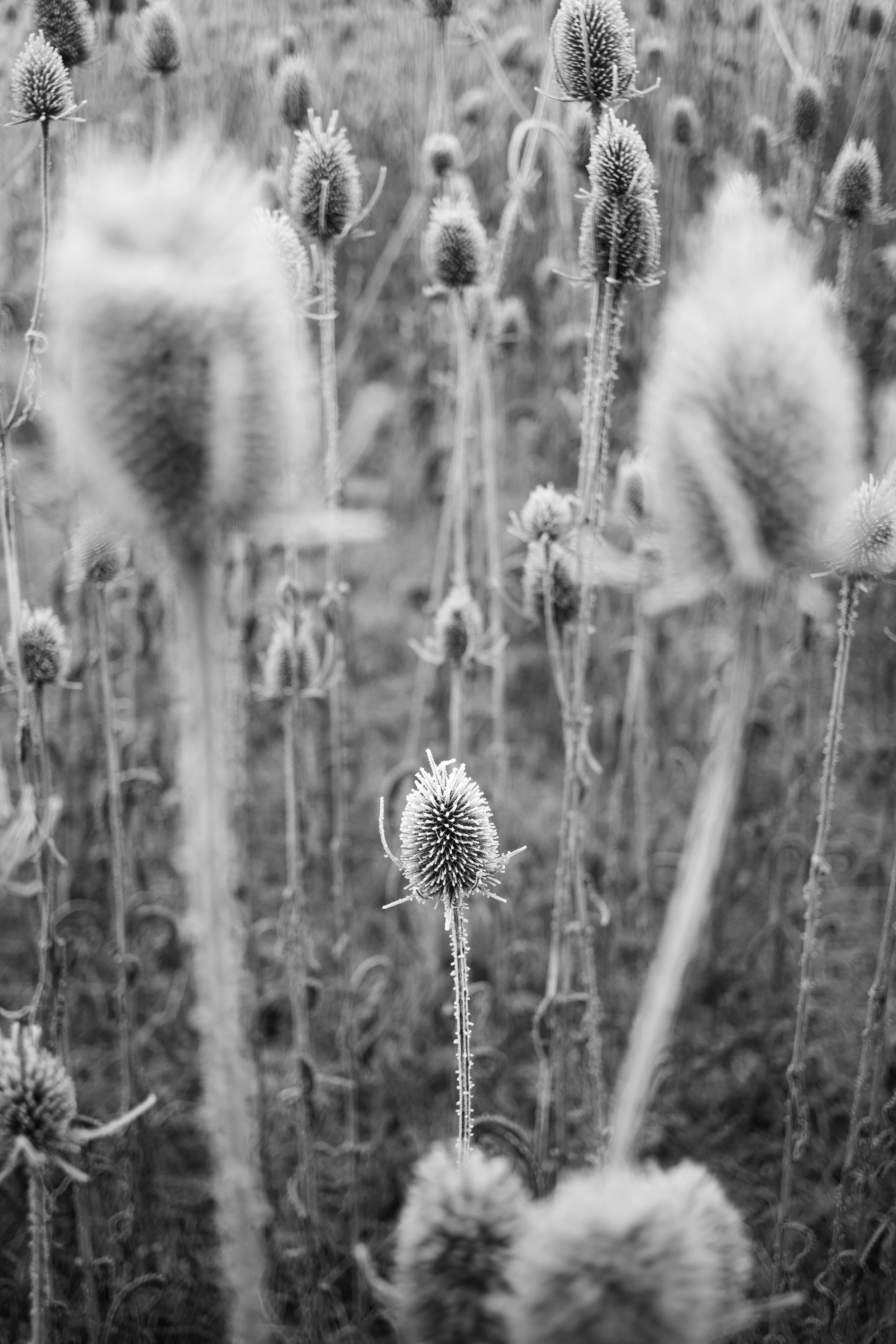
Framed Teasel, 1/125, ISO 100
As I knelt fully down, I discovered that the view from the ground was also very interesting.
The straight, vertical forest of stems created a strong contrast with the curly, frost-covered leaves, and the diffuse light from above gave the scene a slightly dream-like atmosphere.
This is one of those images that I captured more by accident than by deliberate choice. When out taking pictures, it’s easy for me to forget to try something new or to look at familiar scenes from a different perspective. But actively searching for new viewpoints often leads to unexpected and rewarding results.
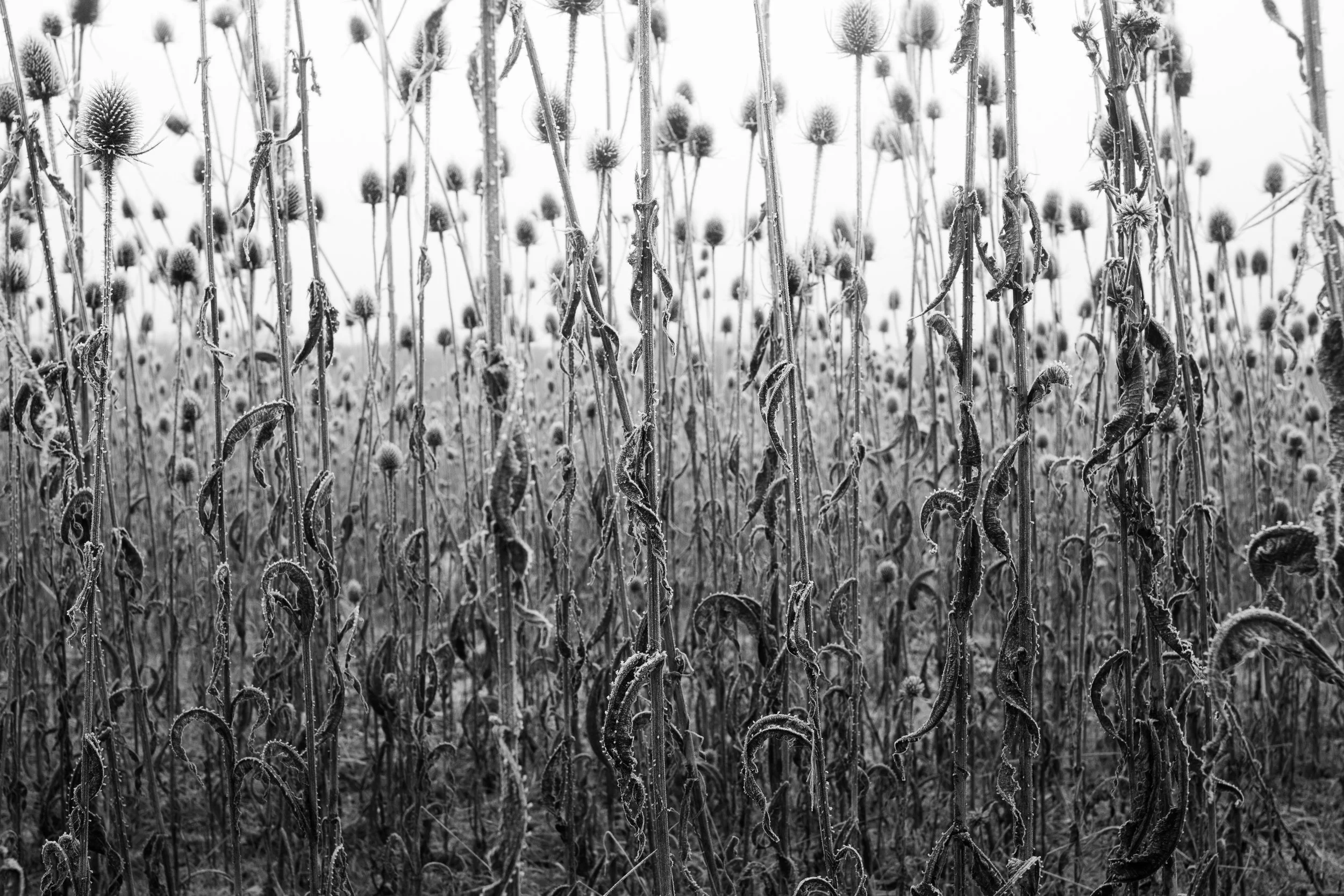
Steam Forest, 1/60, ISO 320
Even a blank, cloudy winter day can offer interesting opportunities for photography. I’m very pleased not only with the final images I captured, but also with the simple fact that I went out on a day that didn’t seem to promise anything particularly interesting.
Shooting in black and white with a vintage manual lens enhanced both the experience in the field and the final result. Slowing down, focusing manually, and paying more attention to light and composition made the walk feel more deliberate and rewarding.
If you enjoyed this series, you can read about some of my previous experiments with Contax Zeiss lenses below:
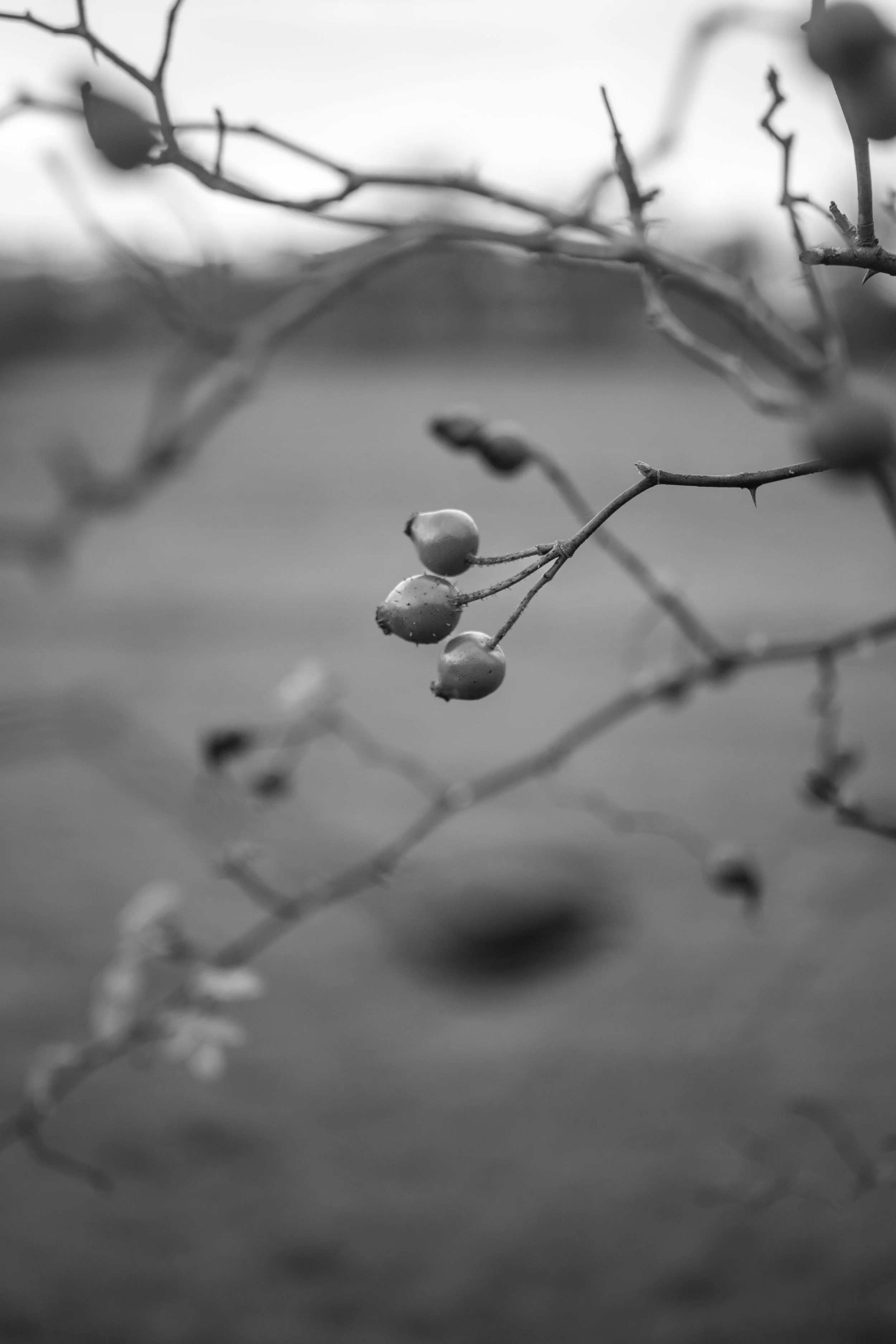
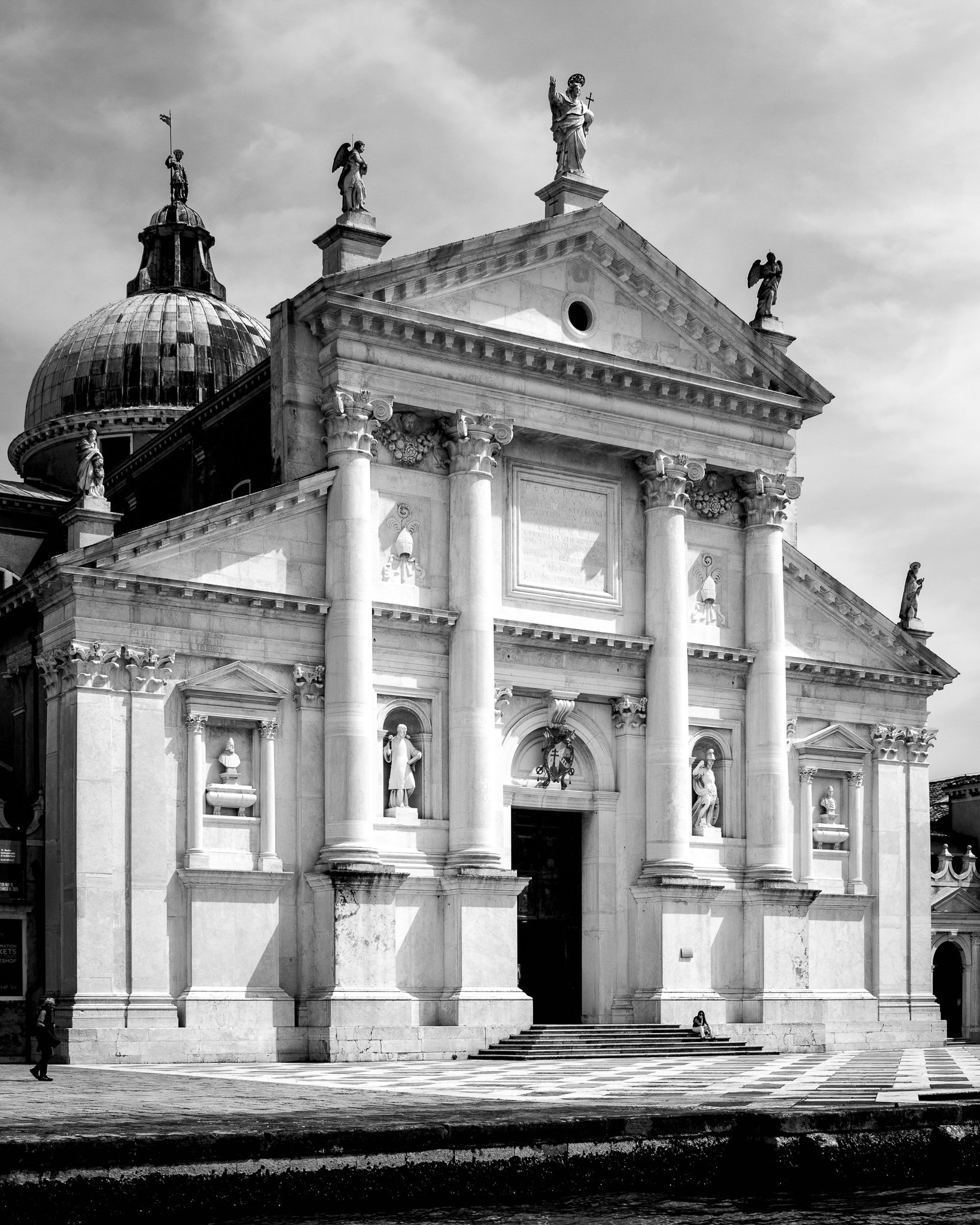
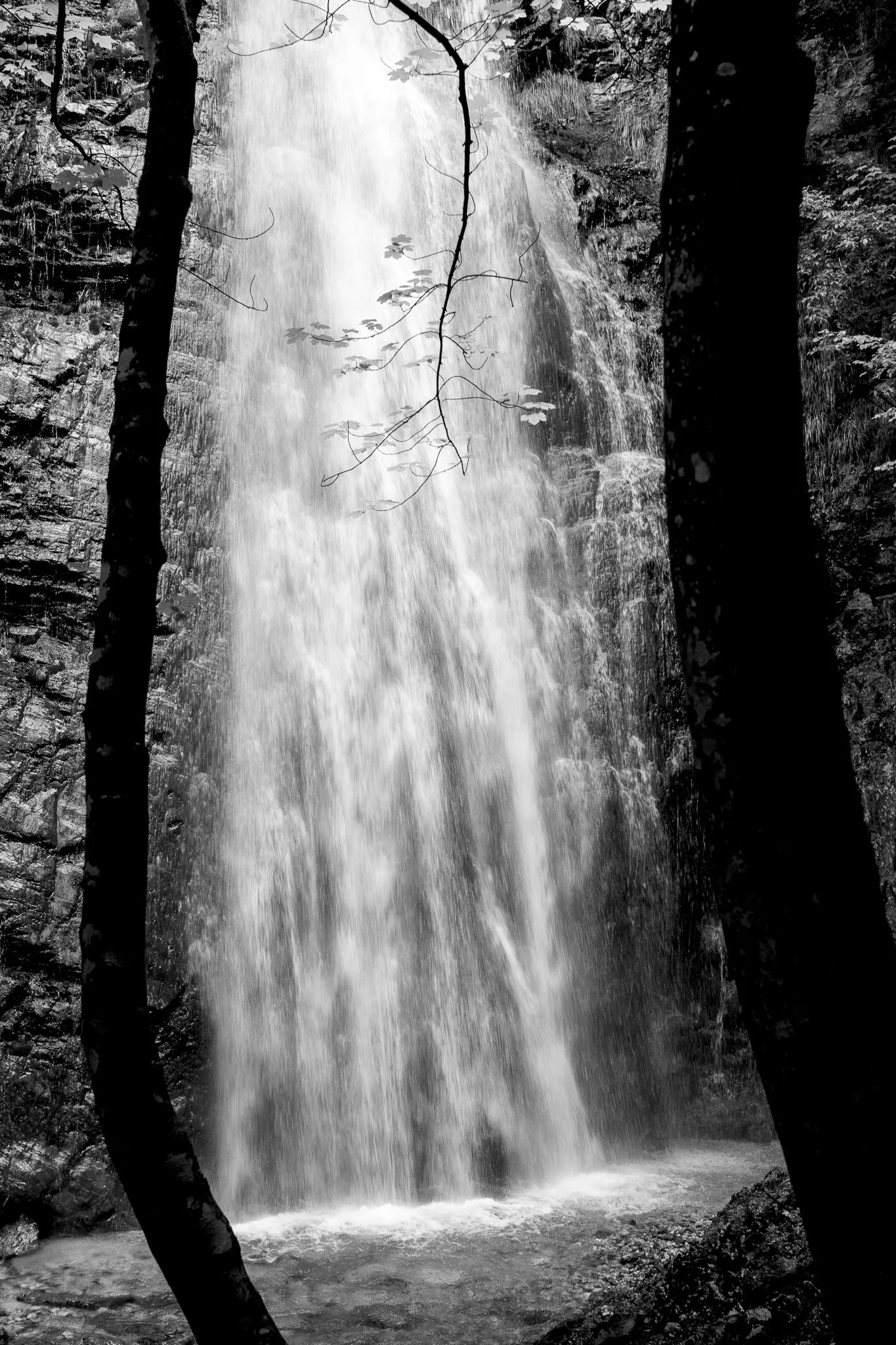
Slowing down with the Zeiss Distagon 35mm f/2.8 (C/Y Mount) on a modern mirrorless camera. A short visual diary with images and reflections from my outings with this classic Zeiss lens.