One Year of Photo Blogging: Key Learnings
As the first anniversary of writing photography blog posts approaches, I want to look back and share the key lessons I’ve learned during this first year.
I initially created this website as a personal portfolio—a space where I could publish my photos on my own terms, without having to rely on an external algorithm to decide whether people would see my work.
The idea was great, but I soon realized that truly portfolio-worthy images were few and far between. During each photo session, however, I was taking a good number of photos that didn’t quite make the portfolio cut, but still felt worth sharing.
The solution I came up with was simple: writing short blog posts featuring the best images from each photo walk or small adventure. In this way, all the effort I put into creating these frames wouldn’t go to waste.
What started as a practical solution quickly became a meaningful part of my creative process—and along the way, I learned a few lessons worth sharing.
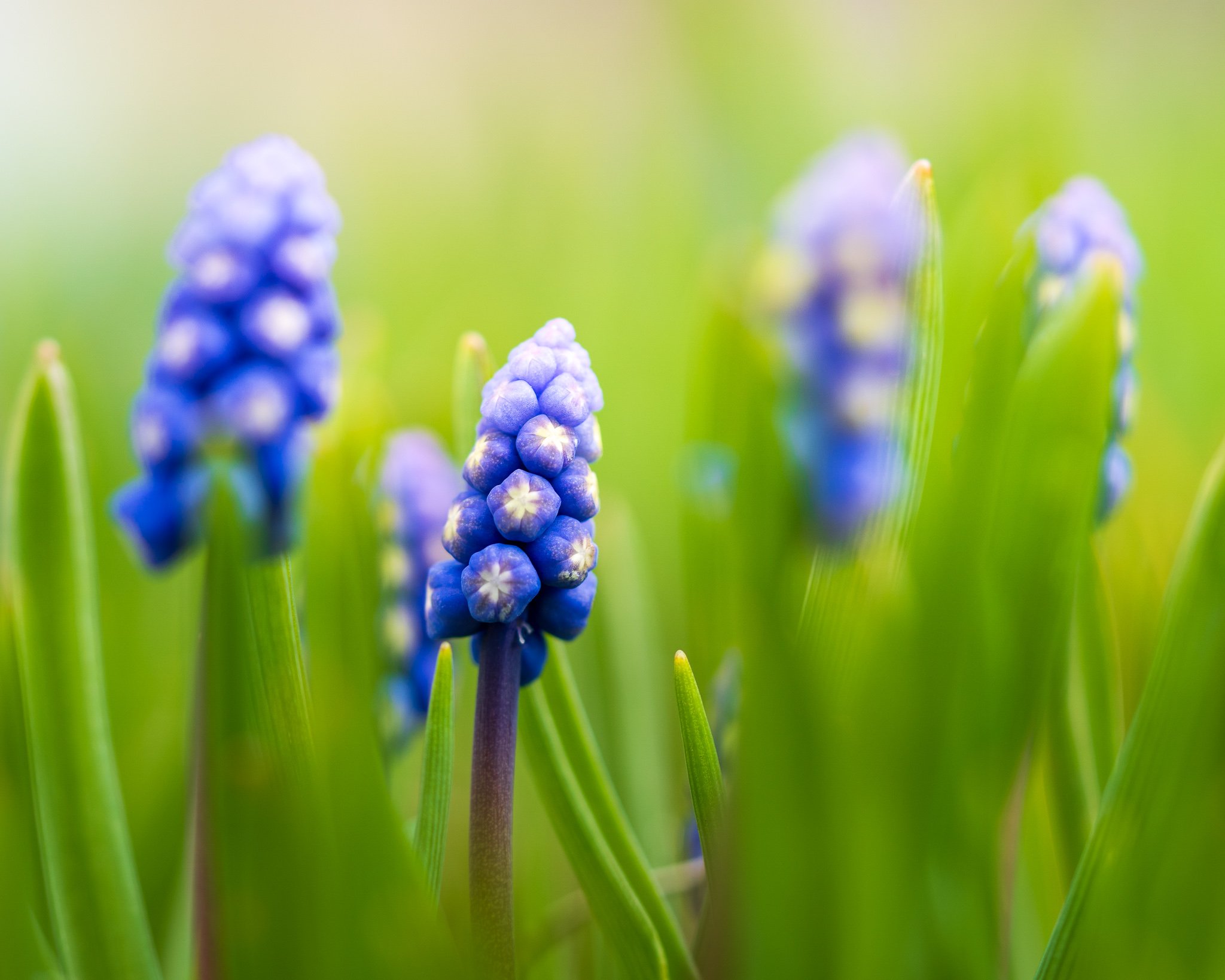
An image that eventually made it into my portfolio, but only after I first explored it through writing
1. Find the right audience for your work
The first real breakthrough came when I started thinking about who would read my posts and what value readers could take away from them. This realization didn’t come from careful planning, but from an unexpected experience.
In August, I shared some photos I took during a photo walk on Reddit, shot with one of my favorite vintage lenses, the Contax Zeiss 35mm f/2.8. I had enjoyed that particular walk, but I didn’t think much of the images themselves—they were simple photos from my hometown, and it was hard for me to imagine that other people would find the images interesting.
Still, I decided to share the photos, and the response was surprisingly positive. For the first time, I realized that by targeting the right audience with the right content and format, my work could genuinely resonate with others and provide real value.
Since then, the question I try to keep in mind whenever I write is a simple one: who am I writing for, and how is the content I create adding value to my audience?
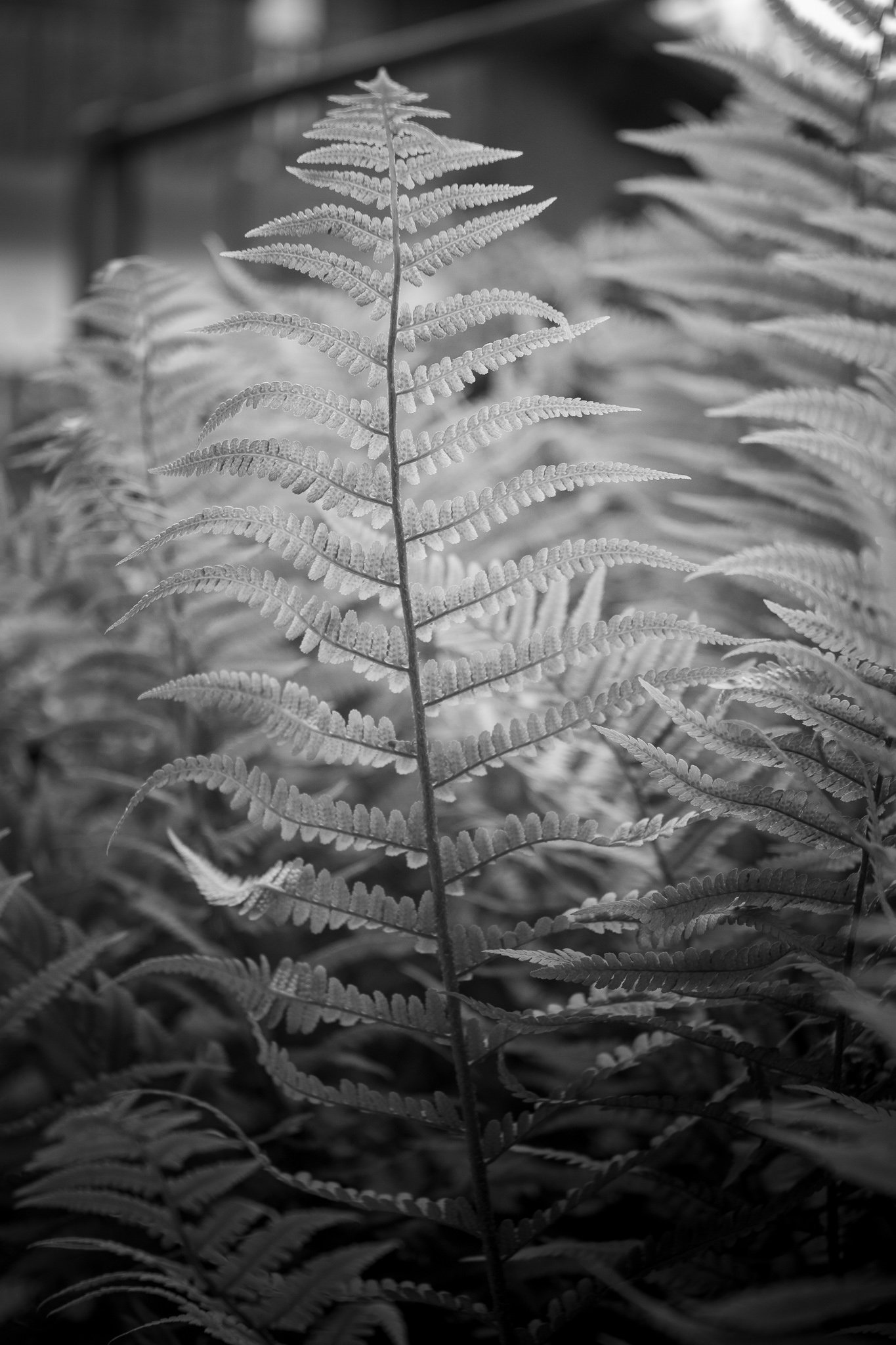
A simple subject that taught me how much perspective matters both in photography and in writing for an audience
2. Hard work pays off
Writing a good, focused blog post takes far more time than I initially expected. It starts with finding a compelling story worth sharing, developing a clear narrative, researching the topic, going out to take the photos, editing them, writing the text, doing some basic SEO work, publishing the post, and finally thinking about a distribution strategy so that people are more likely to read and engage with the work.
When all these pieces come together coherently, however, the quality of the work rarely goes unnoticed.
The clearest example of this came in August, when I spent a significant amount of time writing my first impressions of the Ricoh GR IIIx. Putting that post together took almost a full month of work, from shooting and editing to writing and revising.
That effort paid off. The Ricoh GR IIIx review is still the most viewed post on my website and continues to bring consistent traffic. I also shared the gallery from my first month with the Ricoh on Reddit, where the post received a lot of positive feedback and reached the top 5% of posts in the Ricoh subreddit — not a small feat in my book.
This experience reinforced a simple but important idea: thoughtful planning, sustained effort, and careful execution can make a real difference.
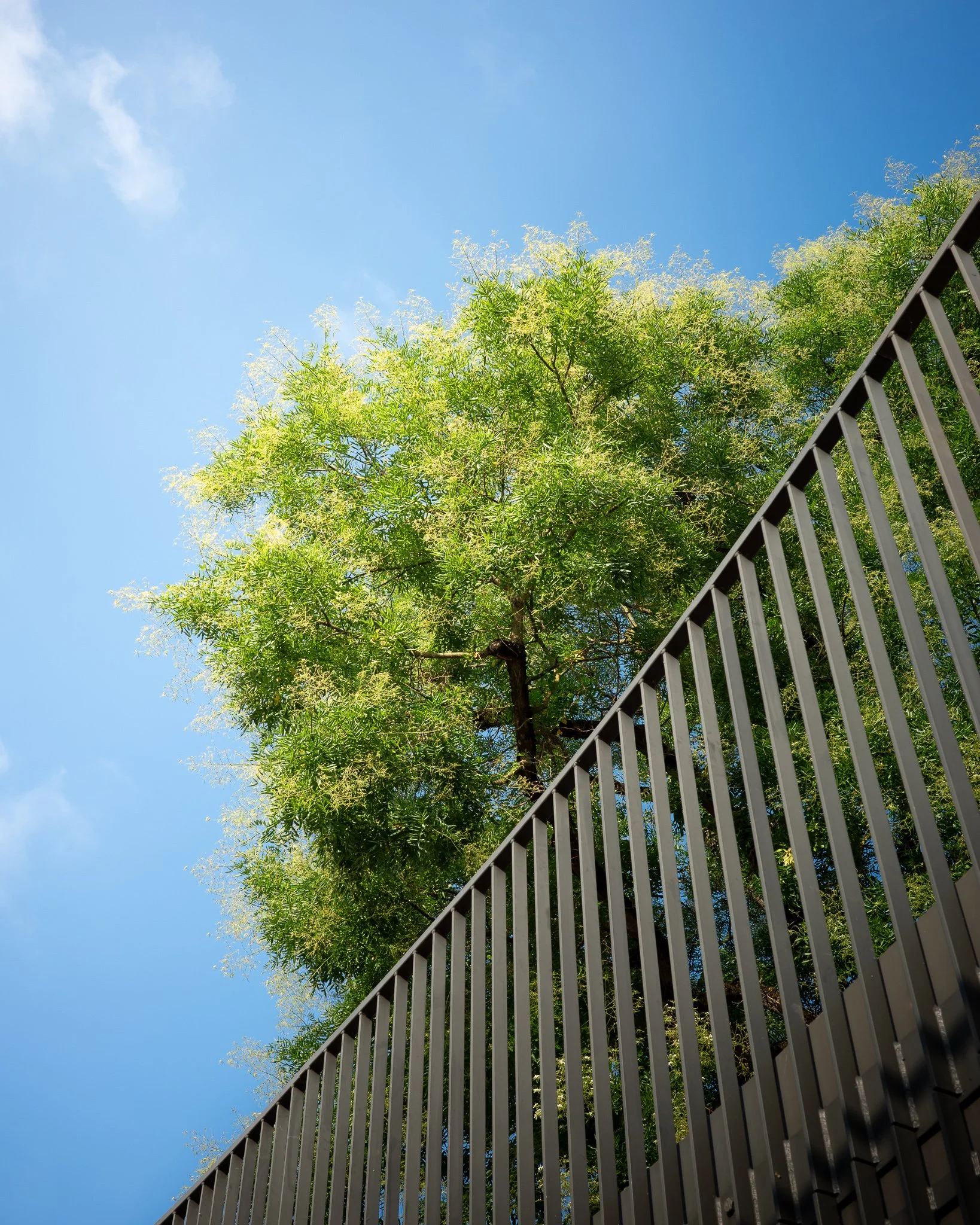
A simple scene that reminded me how steady growth, whether in trees or in creative work, comes from patience and persistence.
3. Don’t let perfect be the enemy of good
Although the previous lesson highlighted the importance of planning and careful execution, I’ve also learned that too much of either can quickly turn into a creative trap. And that’s exactly what happened to me.
After the success of the Ricoh GR IIIx review, I fell into the mindset that every new post had to be just as polished, just as thoughtful, and ideally even better than the last one. As you can imagine, that didn’t work in my favor. It took me a long time to publish my next piece — a tutorial on autumn mushroom photography — and in the meantime I held back several smaller ideas simply because I didn’t think they were interesting enough or that the images were “good enough.”
Looking back now, with some distance, I can see that many of those photos had beauty and value that I failed to recognize at the time.
The truth is that truly great ideas don’t come along very often. But that doesn’t mean all the work in between isn’t worth sharing.
So the takeaway is simple: don’t let perfect be the enemy of good — and don’t be afraid to put your work out there, even when it doesn’t feel perfect.
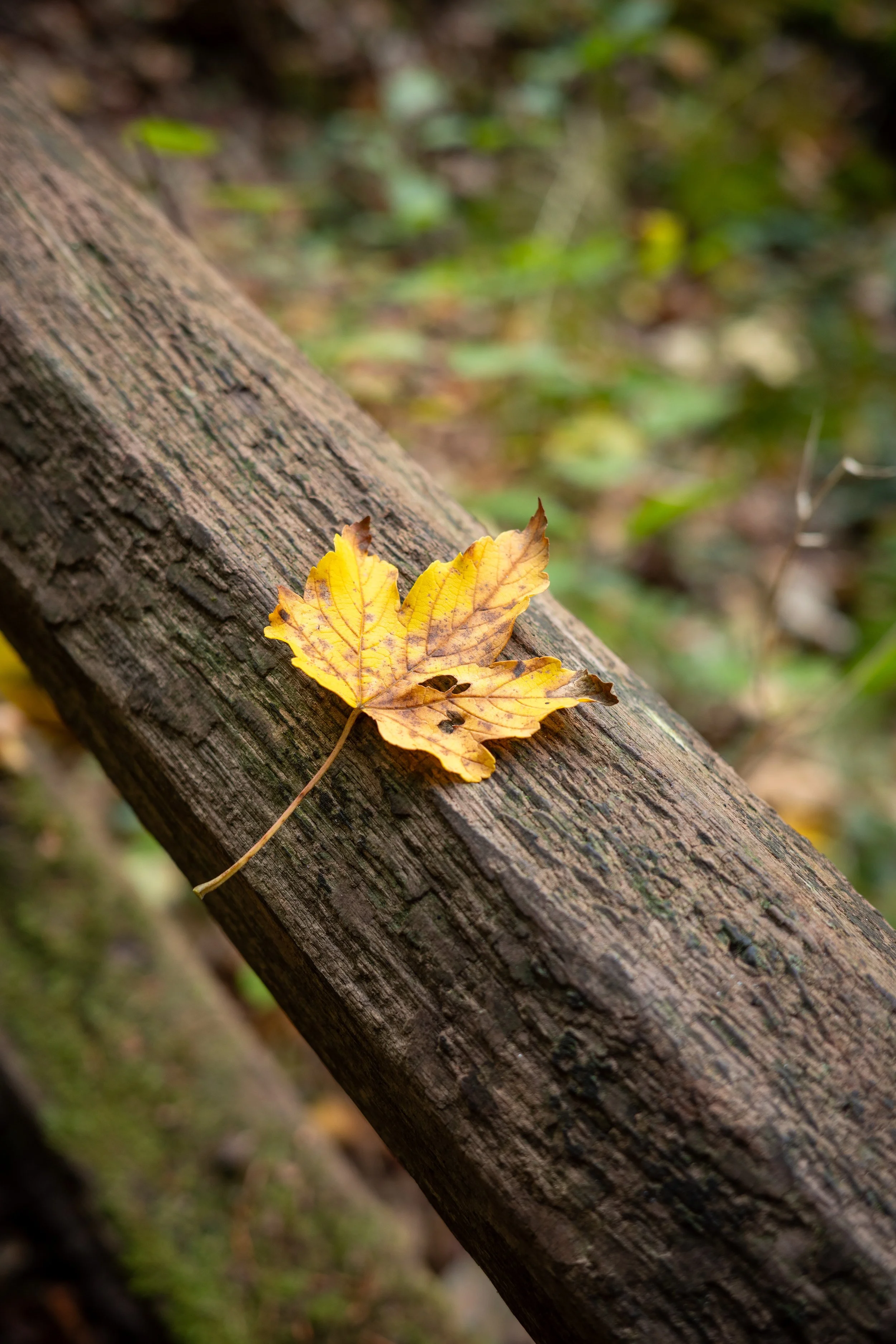
An example of a simple image I initially overlooked and later came to appreciate.
What’s next?
As I look ahead to 2026, I plan to carry these lessons with me. My goal is to be more consistent with publishing, while also giving myself the freedom to experiment and explore without overthinking every post.
I don’t feel like I’ve fully discovered the direction I want to take just yet — and that’s okay. For now, I’m happy to keep wandering, observing, shooting, and learning along the way.
If this kind of exploration resonates with you, consider signing up for the newsletter — I’d be glad to have you along for the ride.