On Impermanence
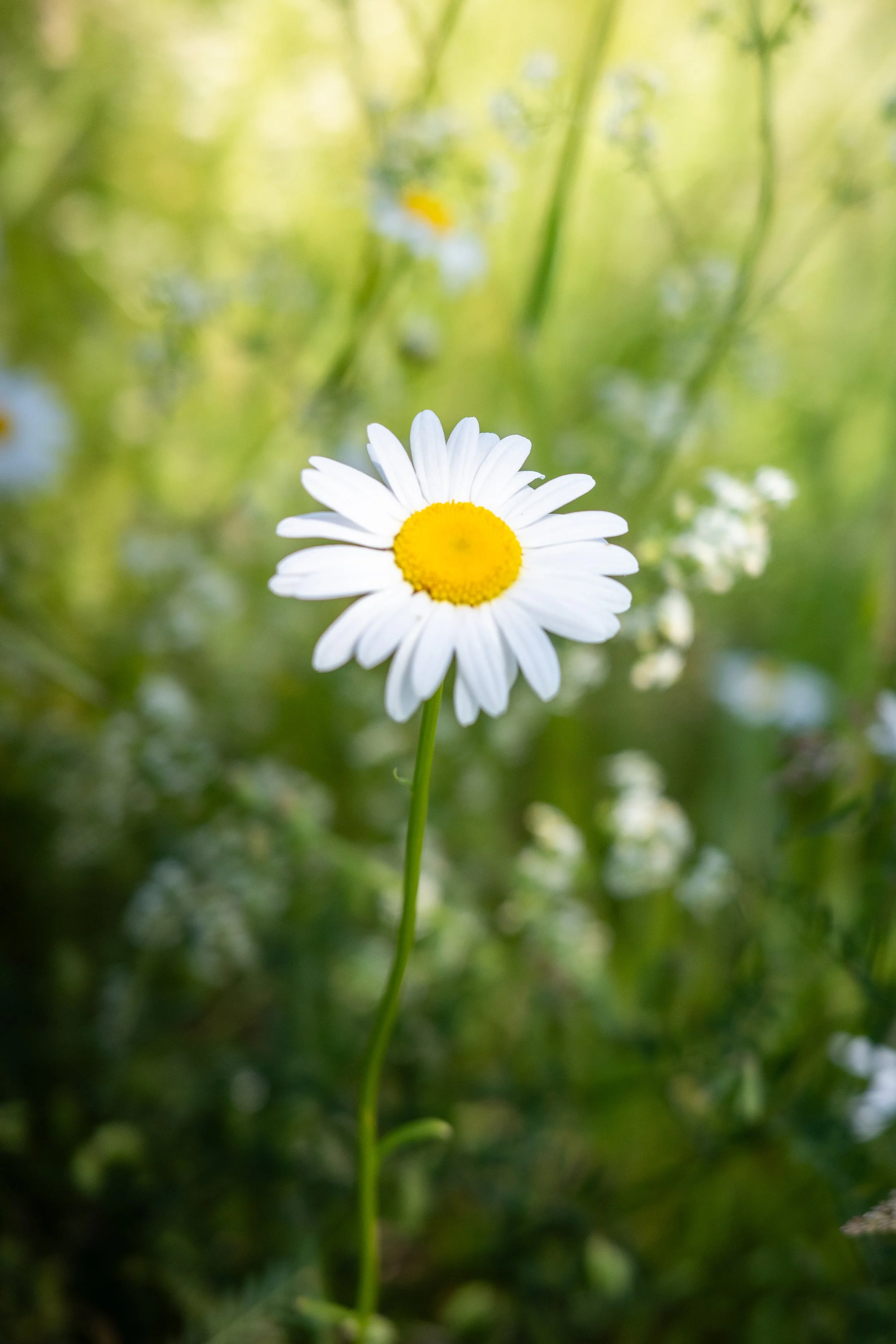
Impermanence, f2.8, 1/250, ISO 200
Below is an excerpt from The life of Shabkar that inspired the creation of this image:
A flower born in a meadow,
I enjoy perfect happiness
With my brightly colored petals in full bloom.
Surrounded by an eager cloud of bees,
I dance gaily, swaying gently with the wind.
When a fine rain falls, my petals warp around me;
When the sun shines I open like a smile.
Right now I look well enough,
But I won’t last long.
Not at all.
Unwelcome frost will dull the vivid colors,
Till turning brown I wither.
Thinking of this, I am disturbed.
Later still, winds —
violent and merciless —
will tear me apart until I turn to dust. . . .
You, hermit, . . .
Are of the same nature.
You enjoy a fine complexion,
Your body of flesh and blood is full of life.
When others praise you,
you dance with joy; . . .
Right now, you look well enough.
But you won’t last long.
Not at all.
Unhealthy ageing will steal away
Your healthy vigor;
Your hair will whiten
And your back will grow bent. . . .
When touched by the merciless hands
Of illness and death
You will leave this world
For the next life. . . .
Since you, mountain-roaming hermit,
And I, a mountain-born flower,
Are mountain friends,
I have offered you
These words of good advice.
Then the flower fell silent and remained still. In reply, I sang:
O brilliant, exquisite flower,
Your discourse on impermanence
Is wonderful indeed.
But what shall the two of us do?
Is there nothing that can be done? . . .
The flower replied:
. . . Among all the activities of samsara,
There is not one that is lasting.
Whatever is born will die;
Whatever is joined will come apart;
Whatever is gathered will disperse;
Whatever is high will fall.
Having considered this,
I resolve not to be attached
To these lush meadows,
Even now, in the full glory of my display,
Even as my petals unfold in splendor . . .
You too, while strong and fit,
Should abandon your clinging. . . .
Seek the pure field of freedom,
The great serenity.
Shabkar Tsogdruk Rangdrol, The Life of Shabkar, trans. Matthieu Ricard (Albany, NY: State University of New York Press, 1994), 56–57